.png)
Mission Statement
The mission of The Heritage Institute is to make a difference in the lives of children in the classroom through the inspiring and renewing of teachers.
Our Commitment
We are committed to educating the whole person with professional development courses for K-12 teachers that nurture personal growth while recognizing professional goals. Our continuing education goal is to provide learning through quality relationships that contribute to the common good.
Our Vision
Our vision is to educate for humanity and the world we want, focusing on self, community, earth, and spirit while contributing to a world that works for all.
History
The Heritage Institute began in 1976 as a group of teachers exploring the old-growth forests, beaches, and biomes of the Pacific Northwest, guided by our field instructors. Fascinated by what they could bring back to their classrooms through these field study classes, teachers encouraged us to increase our offerings. In the early 1980s, we expanded our classroom workshops into all the academic disciplines. Today we offer a broad range of course subjects, including the arts, classroom management, counseling & special education, coaching, education, ESL/ELL, geography, health, history, humanities, math, music, physical education, science, social studies, language arts, sustainability, STEM, teacher wellness, technology, world languages, distance teaching, and social justice.
In 1994 The Heritage Institute launched Heritage OnLine (www.hol.edu), making us a pioneer in online professional development courses for K-12 teachers.
We are proud of our roots and continue to expand our course offerings while maintaining our tradition of developing new programs that respond to the needs of teachers.
Inclusion & Diversity Statement
The Heritage Institute is an inclusive organization. We recognize the value of human diversity and strive to create programs for teachers that are respectful of our differences.
Employment policies
The Heritage Institute provides equal opportunity for all qualified applicants and does not discriminate on the basis of race, color, gender, ancestry, religion, national origin, sexual orientation, family status, or disability in matters affecting employment.
Distinctive Features of Our Course Offerings
THI offers courses to renew and inspire teachers, emphasizing physical, emotional, and spiritual wellness in addition to a suite of courses on distance teaching. Honoring our beginnings in environmental awareness and social justice, we continue to provide courses with concepts and tools aspiring to a world that works for all.
Online Learning Environment
All of our courses offer a collaborative online learning environment. Each course has its own forum in which participants, although working asynchronously, can see and respond to the postings of others in the same course.
Group Collaboration
Courses taken for credit may also be done as a group collaboration with up to 4 colleagues. Collaborative study strengthens learning outcomes by providing an opportunity for discussion, debate, and shared resources. Learn more about Group Collaboration.
Create Your Own Course
Do you have a special project or lesson unit you are preparing for your classroom that is unlike anything we offer? Working with a Heritage Institute Advisor, you can create a course that fulfills your professional development interests. Learn more about Creating Your Own Course.
Our Home
A small administrative staff operates from our headquarters on Whidbey Island, Washington communicating with instructors and learners from all over the United States and the world. Contact Us.
Meet the Team
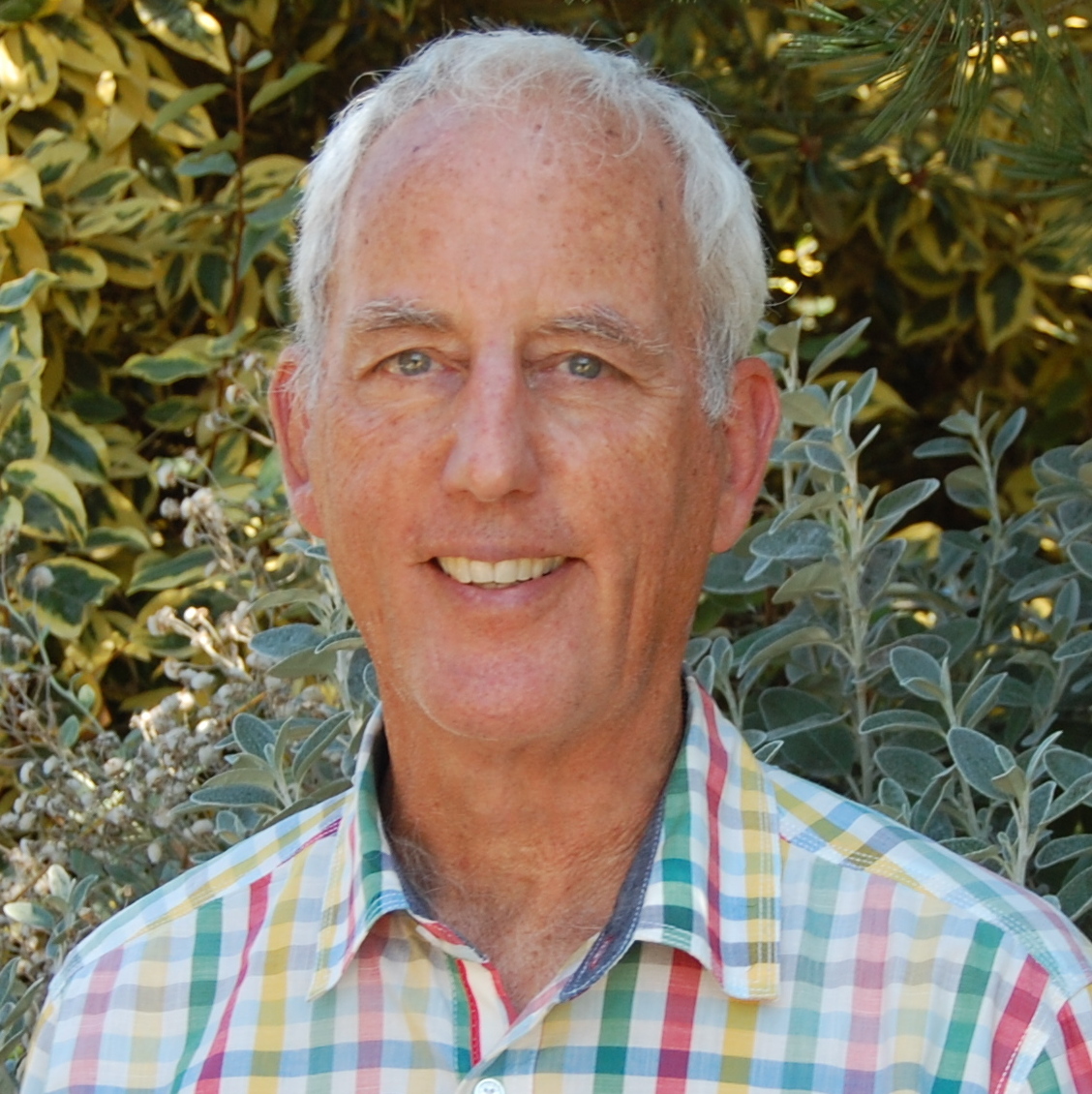 Mike Seymour, President
Mike Seymour, M.S., has been associated with K-12 education since 1990, most recently in his role as President and Co-Director of The Heritage Institute. Mike is also the founder and Director of a non-profit sponsored by The Heritage Institute, Youth for a New World, which engages youth in global issues and local solutions. Earlier, Mike was a consultant and trainer to schools, school districts, and Educational Service Districts on such diverse subjects as leadership, visioning and planning and at-risk students. Mike has been a board member, Chairman of the Board, and volunteer Executive Director of Community for Youth, a highly innovative and successful mentoring program for disadvantaged students in three of Seattle’s most low-performing high schools. Mike authored a text—Educating for Humanity: Rethinking the Purposes of Education - calling on a new vision for education, showing how important the stakes are today for an integral education realizing the interconnectedness of the world. Mike's Awakening Self blog speaks about the important historic shift humanity is going through in our times and how awakening into a new consciousness is a global phenomenon. Mike recently published the biography of a courageous peacemaker, Prosper Ndabishuriye, who helped change the destiny of his nation during the horrific ethnic violence between Hutus and Tutsis in the 1990s.
As part of Mike's long-standing support of environmental causes, he attended the July 2013 Climate Leaders training by the Climate Reality Project founded by former Senator and Vice-President Al Gore. Mike is the author of the course Climate Change for Teachers & Kids, now taught by Charity Staudenraus, and offers climate change presentations in his home region.
Mike has a special interest in open, democratic forms of education that allow students to engage in real-world issues. Mike has a B.S. in Comparative Literature from Columbia University and an M.S. in Marriage & Family Therapy from Seattle Pacific University. Mike has over 40 years of experience in Buddhist and Christian meditation. Mike has over 40 years of experience in Buddhist and Christian meditation.
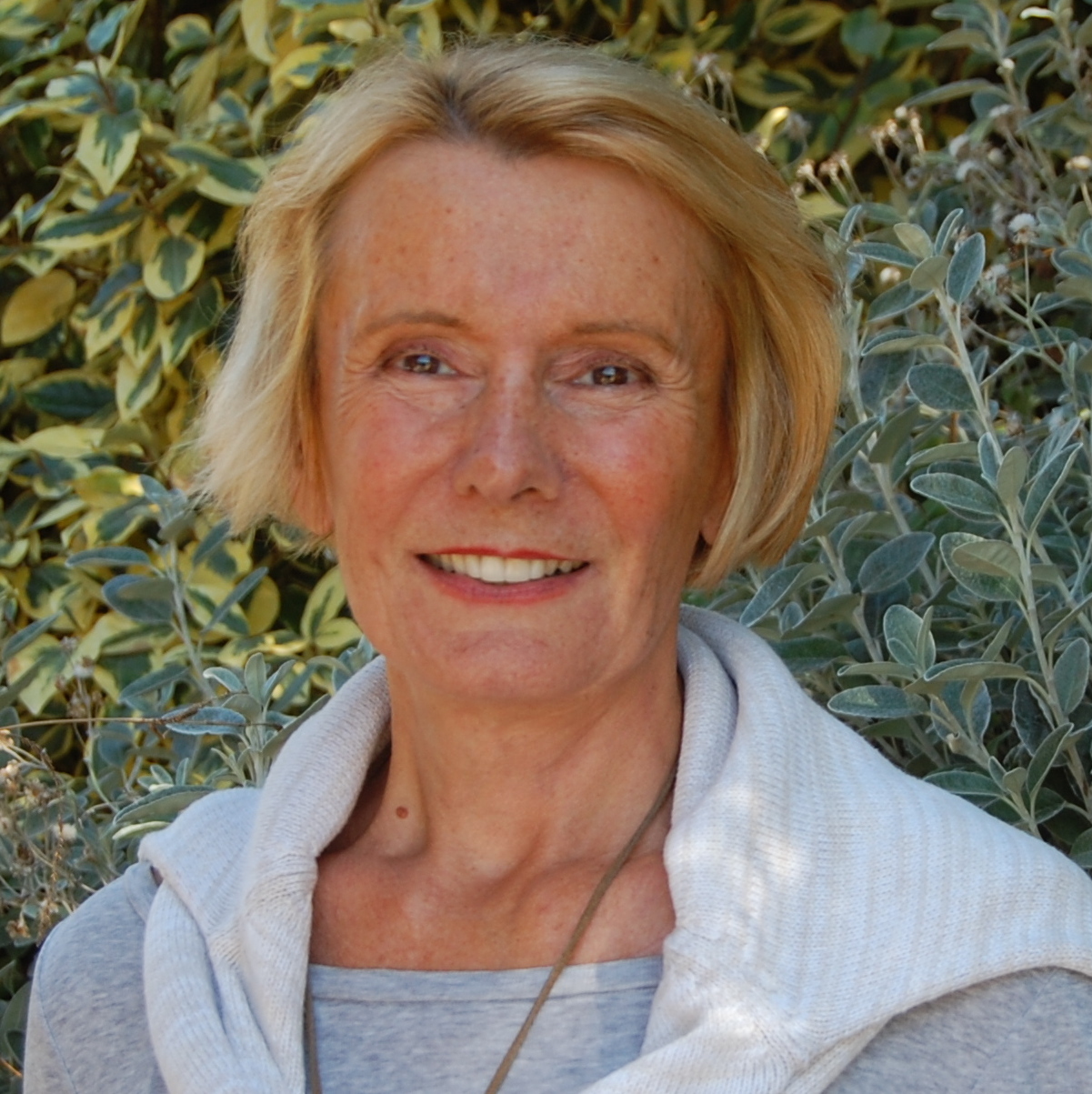 Maggie Seymour, CEO
Director of The Heritage Institute since 1994, Maggie assumed full leadership of the organization in 2021. As CEO Maggie hit the ground running by Initiating full organizational restructuring of THI policies, procedures, and personnel. In so doing Maggie has better aligned THI’s organizational goals and principles with everyday practices. Understanding that we are all teachers and students, THI supports a world that works for all through the uplifting and renewal of K-12 educators to improve the lives of children in the classroom. We do this at the office level through thoughtful and efficient customer service, and at the curricula level with web-based courses taught by experienced instructors who model the best practices that they teach.
A Seattle native and a Buddhist meditator since age 24, Maggie is a deeply intuitive and insightful leader, teacher, counselor, and administrator.
A lover of cats, Maggie was born and raised in Seattle Washington, where she met and married former husband and THI President, Mike Seymour. Maggie moved to South Carolina in 2012 and is currently living in Bluffton SC with her Tuxedo cat Panya.
.jpg) Renee Leon, Director of Operations
Renee Leon, Director of Operations
Renee Leon, began as Registrar at The Heritage Institute in 2017. Renee plays a key role in supporting both teachers and instructors through various technical challenges. As Director of Operations, her dedication and compassion shine through in her commitment to ensuring smooth operations and effective innovative solutions. Renee is always available to answer questions and offer guidance with a friendly and patient approach.
A resident of Whidbey Island, outside of work Renee enjoys spending quality time with her family, and friends, while cherishing the moments that bring joy and balance to her life.
Professional Development
Courses for Educators.
PO Box 1273
Freeland, WA 98249
360.341.3020
360.341.3070 (fax)
NEWSLETTER
Sign up
for new course announcements, specials and Heritage Institute News.